Contemporary art has always reflected the anxieties and hopes of its time. In 2026, artists are responding to rapid technological change, the climate crisis, a hunger for authenticity and new ways of reaching audiences. Whether you are a collector, a gallery visitor or an artist yourself, these five trends are shaping what you will see on walls, screens and in public spaces this year.
1. Human–AI Collaboration
The debate about whether AI can make art has moved on. The most interesting work now explores collaboration: artists training models on their own archives, using algorithms as sketching partners or exposing the biases hidden in datasets. Major museums are staging exhibitions that ask what authorship means when a machine is part of the process. Collectors are also paying closer attention to provenance and the artist’s intent behind AI-assisted works.
2. Ecological and Climate-Focused Art
Environmental art has become one of the defining movements of the decade. Artists are working with living materials such as moss, fungi and bacteria, creating pieces that grow, decay and change over the course of an exhibition. Others use data from melting glaciers or rising seas to create immersive installations. Galleries themselves are under pressure to reduce shipping, energy use and waste, which is changing how exhibitions are planned.
3. The Return of Craft and the Handmade
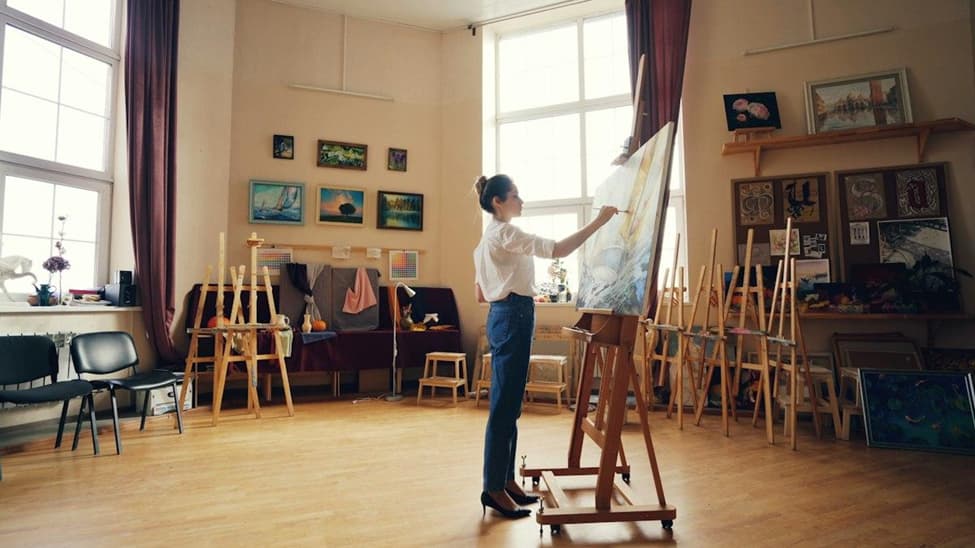
In response to screen fatigue and digital abundance, there is renewed interest in textiles, ceramics, weaving, woodwork and other traditional crafts. Once dismissed as decorative, these media now appear at major biennials. Many artists use craft to reconnect with family heritage, Indigenous knowledge or community traditions, giving the work both personal and political depth.
4. Immersive and Experiential Art
Immersive exhibitions, from large-scale projection rooms to interactive light installations, continue to draw huge crowds. The trend is maturing beyond social-media backdrops toward deeper experiences that combine sound, scent, movement and storytelling. Virtual and augmented reality allow audiences to step inside artworks from anywhere in the world.
5. New Ways to Buy and Collect
The art market is opening up. Fractional ownership platforms let several buyers share a single work, online auctions attract younger collectors, and artists sell directly to fans through social media and their own shops. Digital certificates of authenticity, some built on blockchain, are becoming standard for editions and digital works.
| Trend | Where to see it | Why it matters |
| Human–AI collaboration | Museum media labs, digital art fairs | Redefines authorship and creativity |
| Ecological art | Biennials, public art projects | Turns climate data into emotion |
| Craft revival | Textile and ceramics exhibitions | Values heritage and slow making |
| Immersive experiences | Dedicated venues, VR platforms | Brings new audiences to art |
| New collecting models | Online platforms, artist shops | Makes collecting more accessible |
Art Meets Entertainment and Brand Culture
Another thread running through all five trends is the blurring line between art, design and entertainment. Artists now design album covers, video game worlds, sneaker collaborations and visual identities for digital brands. Even online entertainment platforms commission illustrators and motion designers to create distinctive visual worlds; browsing an official website in the crypto entertainment space today, you will often find bold, gallery-worthy graphic design. For many emerging artists these commercial projects fund their studio practice and introduce their style to audiences who might never visit a gallery.
How to Engage with These Trends
- Visit smaller galleries and artist-run spaces, where new ideas often appear first.
- Follow biennials and art fairs online to see emerging names.
- Start collecting with prints, editions or works by recent graduates.
- Ask artists about their process; most are happy to explain it.
- Look for exhibitions that combine art with science, technology or community work.
Conclusion
Contemporary art in 2026 is curious, hands-on and deeply engaged with the world. Whether it is a machine-assisted painting, a living moss sculpture or a hand-woven tapestry, the work that resonates most asks us to look again at how we live. Keep an open mind, and this could be the year you discover an artist you will follow for decades.